 by
by 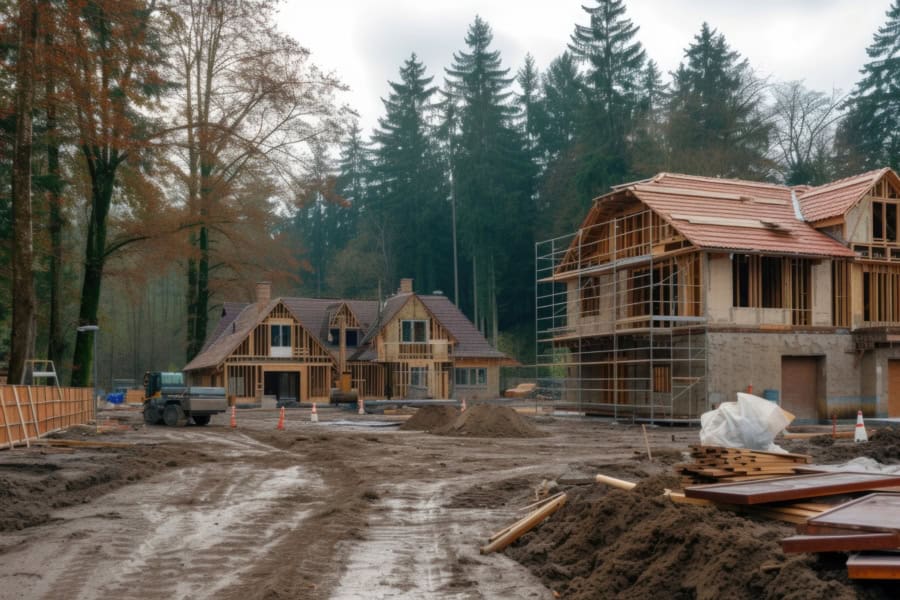
The Dream Home Dilemma: How Much Does It Really Cost to Build a House in Canada (2025 Edition)?
For many Canadians, the thought of building a custom home is the ultimate dream – a space perfectly tailored to their needs, preferences, and lifestyle. But before you dive into blueprints and design magazines, one crucial question looms large: How much does it actually cost to build a house in Canada?
As your trusted real estate partner at JatinderSekhon.ca, we’re here to demystify the expenses involved in 2025. While there’s no single answer – costs fluctuate wildly based on numerous factors – we can provide a comprehensive breakdown to help you budget, plan, and ultimately, build your dream home with confidence.
The Average Canadian Home Build: A Per-Square-Foot Snapshot
In 2025, the average cost to build a single-family house in Canada can range from CAD $200 to CAD $400 per square foot. However, this is a broad national average, and prices can stretch even further, especially for luxury builds or in high-demand urban centres.
To give you a clearer picture, here’s an estimated per-square-foot range for common house sizes in major Canadian cities for 2025:
| City | Average Cost to Build a 1,000 sq. ft. Home | Average Cost to Build a 2,000 sq. ft. Home | Average Cost to Build a 3,000 sq. ft. Home |
|---|---|---|---|
| Vancouver | $200,000 – $320,000 | $400,000 – $640,000 | $600,000 – $960,000 |
| Calgary | $175,000 – $265,000 | $350,000 – $530,000 | $525,000 – $785,000 |
| Edmonton | $170,000 – $265,000 | $340,000 – $530,000 | $510,000 – $795,000 |
| Winnipeg | $165,000 – $250,000 | $330,000 – $500,000 | $495,000 – $750,000 |
| Toronto | $200,000 – $275,000 | $400,000 – $550,000 | $600,000 – $825,000 |
| Montreal | $145,000 – $205,000 | $290,000 – $410,000 | $435,000 – $615,000 |
| Halifax | $140,000 – $215,000 | $280,000 – $430,000 | $420,000 – $645,000 |
Please note: These are estimates for the construction of the home and do not include the cost of land, which can be a significant, if not the most significant, expense.
Beyond the Square Foot: Key Factors Influencing Your Build Cost
Understanding the per-square-foot average is a great starting point, but your final bill will be shaped by a multitude of factors. Let’s delve into the major cost drivers:
1. Land Acquisition: The Foundation of Your Budget
This is often the most substantial cost. The price of land varies dramatically across Canada, from a few tens of thousands in rural areas to well over a million in prime urban locations like Vancouver or Toronto. In Winnipeg, for example, a standard lot in a new development might run approximately $150,000, while a premiere or riverfront lot in a mature, desirable area like Tuxedo could be closer to $700,000 to $1 million. The condition of the land (flat, sloped, rocky) also impacts excavation and preparation costs.
2. Location, Location, Location: Regional Differences
It’s not just about land. Urban centres generally have higher labour rates, stricter building codes, and often require more complex site preparation due to existing infrastructure. While Winnipeg generally offers more affordable construction costs compared to the pricier markets of Toronto or Vancouver, factors within the city itself (e.g., new development vs. mature neighbourhood) will influence your budget. Conversely, remote areas might incur higher material transportation costs.
3. Size and Complexity of Design: Customization vs. Cost
- Square Footage: Naturally, a larger home requires more materials and labour.
- Number of Stories: A two-story home typically costs more than a single-story due to increased structural requirements.
- Architectural Style: A simple rectangular design will be far less expensive to build than a complex custom home with unique angles, gabled roofs, or extensive custom features.
- Number of Rooms/Bathrooms: More specialized rooms or bathrooms mean more plumbing, electrical, and finishing work.
4. Material Choices: Quality and Aesthetics
This is where your personal taste heavily influences the budget.
- Exterior: Basic vinyl siding and asphalt shingles are budget-friendly. Stone, brick, metal roofing, or high-end natural wood finishes will significantly increase costs.
- Interior: Flooring (laminate vs. hardwood vs. high-end tile), cabinetry (stock vs. custom), countertops (laminate vs. granite/quartz), and fixtures (standard vs. luxury) all have vast price ranges.
- Energy Efficiency: While often leading to long-term savings, incorporating features like solar panels, high-performance windows, or advanced insulation systems will increase upfront costs.
5. Labour Costs: The Skilled Workforce
Skilled tradespeople are in high demand across Canada, leading to varying hourly rates. A general contractor’s fee typically ranges from 10% to 20% of the overall build cost. Electricians, plumbers, carpenters, and other specialists have their own rates. Labour shortages, particularly in major urban centres like Winnipeg, can drive these costs even higher.
6. Permits and Fees: Navigating Regulations
Don’t forget the administrative side! Building permits, inspections, and various municipal development charges can add tens of thousands of dollars to your project, depending on your location and the scope of work. In Winnipeg, for example, the City of Winnipeg has specific fees for building permits, electrical permits, and development permits that you’ll need to factor in. These fees are constantly updated, so it’s essential to check with your local municipality.
7. Professional Services: Expertise You Need
- Architectural Plans: For a custom home, architectural fees can range from 6% to 12% of the total construction cost.
- Engineering Services: Structural, mechanical, or civil engineers may be required, adding to the overall cost.
- Interior Design: If you opt for professional interior design services, factor in their fees.
8. Site Preparation and Utilities: Getting Connected
- Excavation and Grading: Preparing the land for construction, especially on sloped or rocky lots, can be costly.
- Utility Hook-ups: Connecting to water, sewer, electricity, and gas lines can incur significant fees, particularly in undeveloped areas.
9. Finishing Touches and Landscaping: The Complete Picture
Once the structure is complete, you’ll need to consider driveways, walkways, decks, fencing, and landscaping. These elements can significantly impact the overall project budget.
10. Contingency Fund: Expect the Unexpected
This is perhaps the most critical, yet often overlooked, component. Unexpected issues, material price fluctuations, or design changes can arise during construction. Experts recommend allocating 5% to 15% of your total budget as a contingency fund to avoid unwelcome surprises.
Smart Strategies to Manage Your Home Building Costs
Building a home is a significant investment, but there are ways to manage and potentially reduce costs:
- Be Realistic with Your Scope: Before breaking ground, clearly define your needs versus wants. Prioritize essential features and consider what can be added or upgraded later.
- Simplify Your Design: Complex architectural elements often translate to higher material and labour costs. A simpler footprint can save you considerable money.
- Choose Materials Wisely: Research and compare the costs of different materials. There are often more affordable, yet still high-quality, alternatives available.
- Get Multiple Bids: Don’t settle for the first quote. Obtain detailed estimates from several reputable builders and contractors to ensure competitive pricing.
- Consider a “Shell” Build: If you have the skills and time, you could consider having a contractor build the basic structure (the “shell”) and then complete the interior finishing yourself.
- Buy Locally: Sourcing materials and labour locally can sometimes reduce transportation costs and support your community.
- Monitor the Process: Stay actively involved in the construction process. Regular communication with your contractor and clear oversight can help prevent costly misunderstandings and changes.
Ready to Build Your Canadian Dream?
Building a house in Canada in 2025 is a complex undertaking with many variables. While the costs can be substantial, with careful planning, realistic expectations, and the right team, your dream home can become a reality.
At JatinderSekhon.ca, we’re not just about buying and selling existing properties. We understand the local market nuances and can connect you with experienced professionals in the home building industry, whether you’re looking to build in Winnipeg, Calgary, or anywhere else across Canada. If you’re considering building a new home, reach out to us today. We’re here to help you navigate the process and make informed decisions every step of the way.
Contact Jatinder Sekhon and Associates for expert guidance on your real estate journey, whether buying, selling, or building your dream home in Canada!
Cost to Build a House in Canada in 2025
Tags:
#CostToBuildHouseCanada #BuildHomeCanada #NewHomeConstruction #CanadianRealEstate #HomeBuildingCosts #WinnipegRealEstate #CalgaryRealEstate #TorontoRealEstate #VancouverRealEstate #CustomHomeCanada #JatinderSekhon